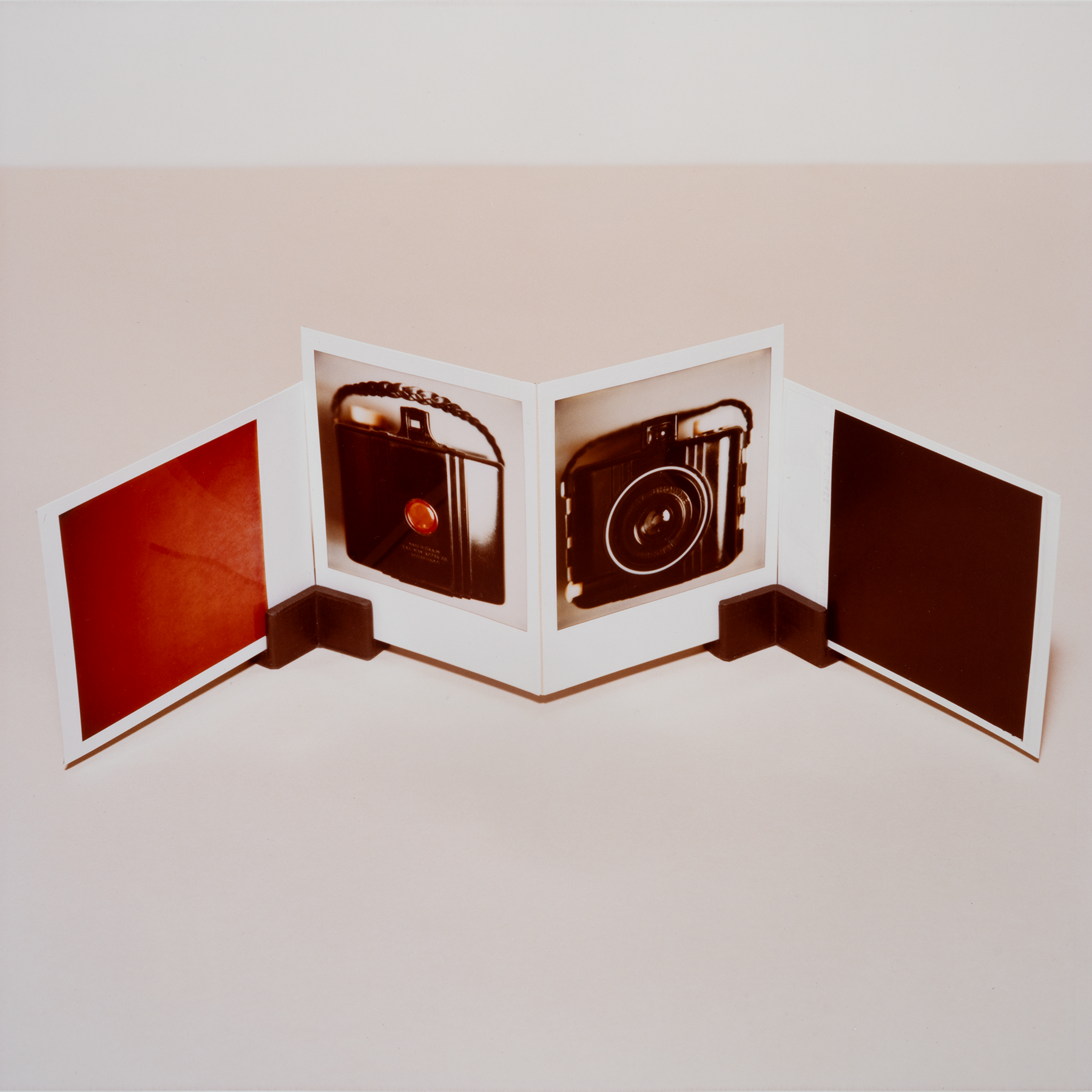
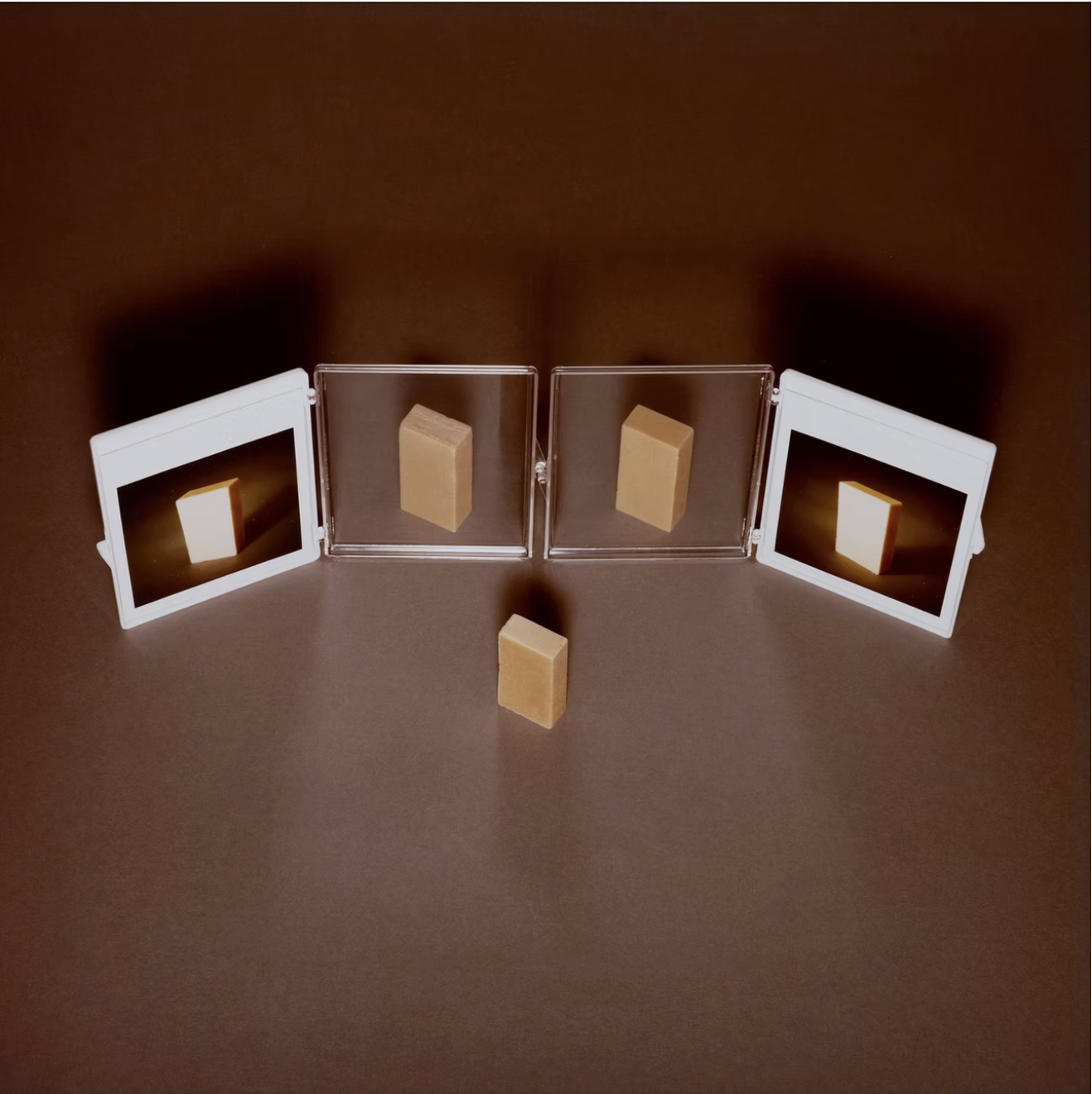
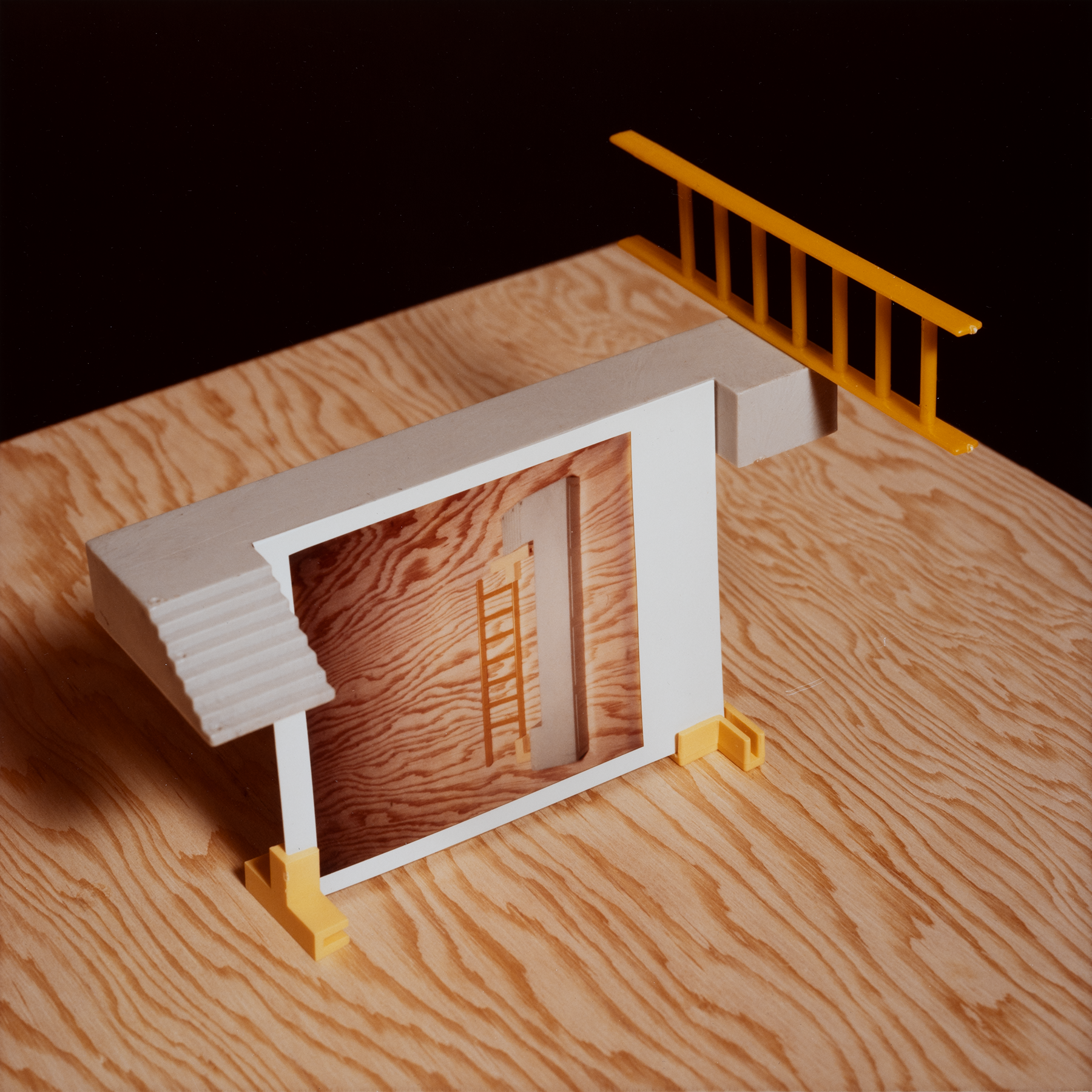
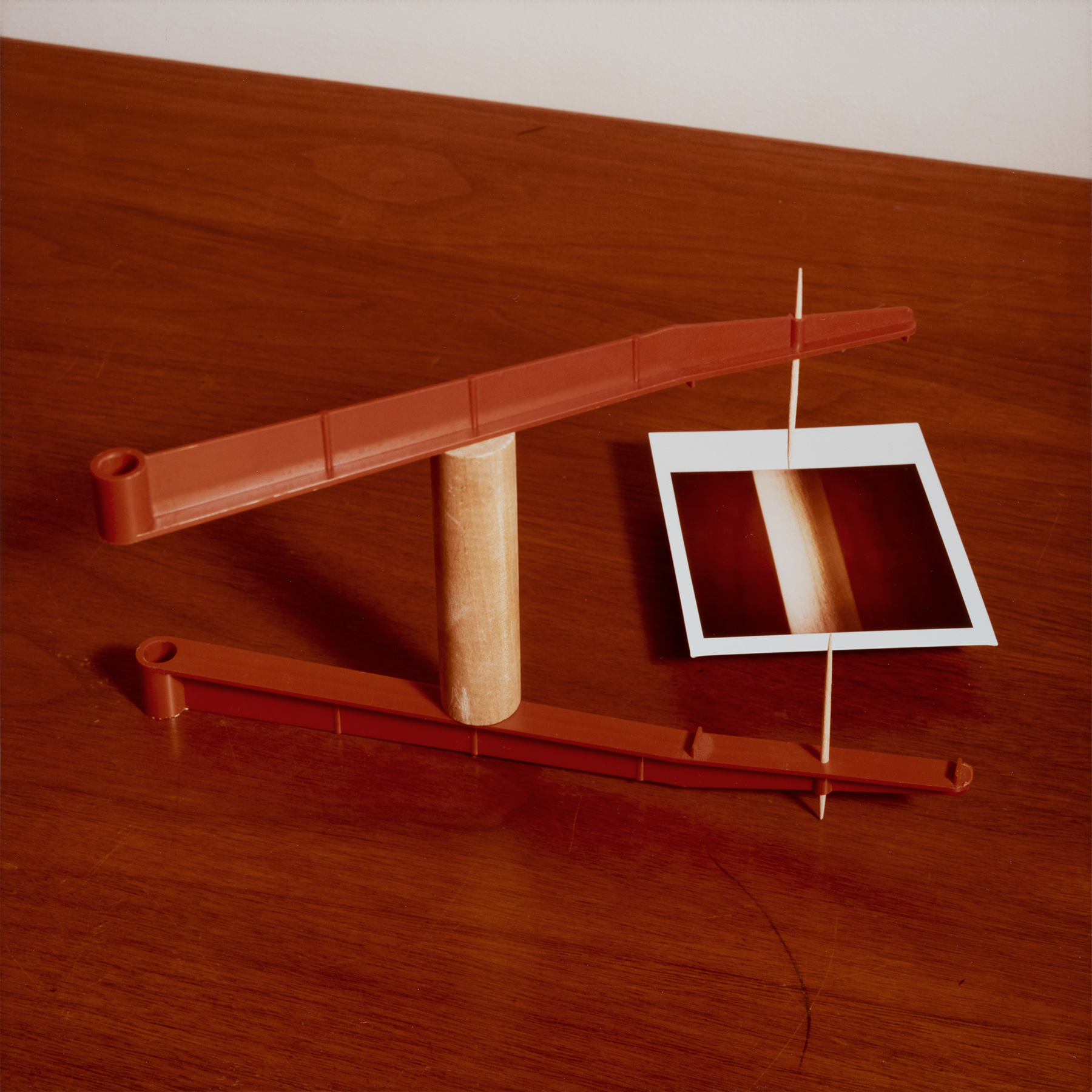
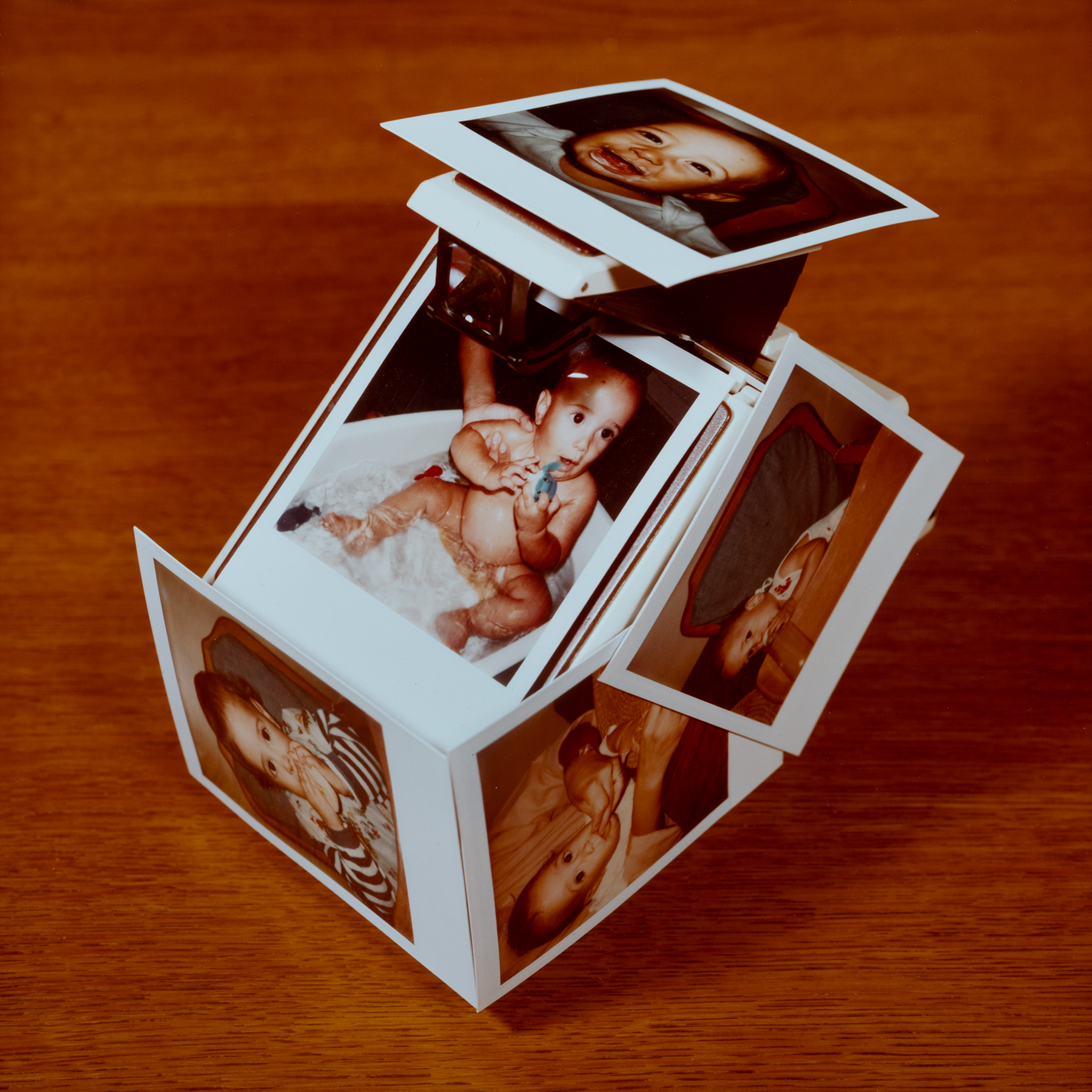
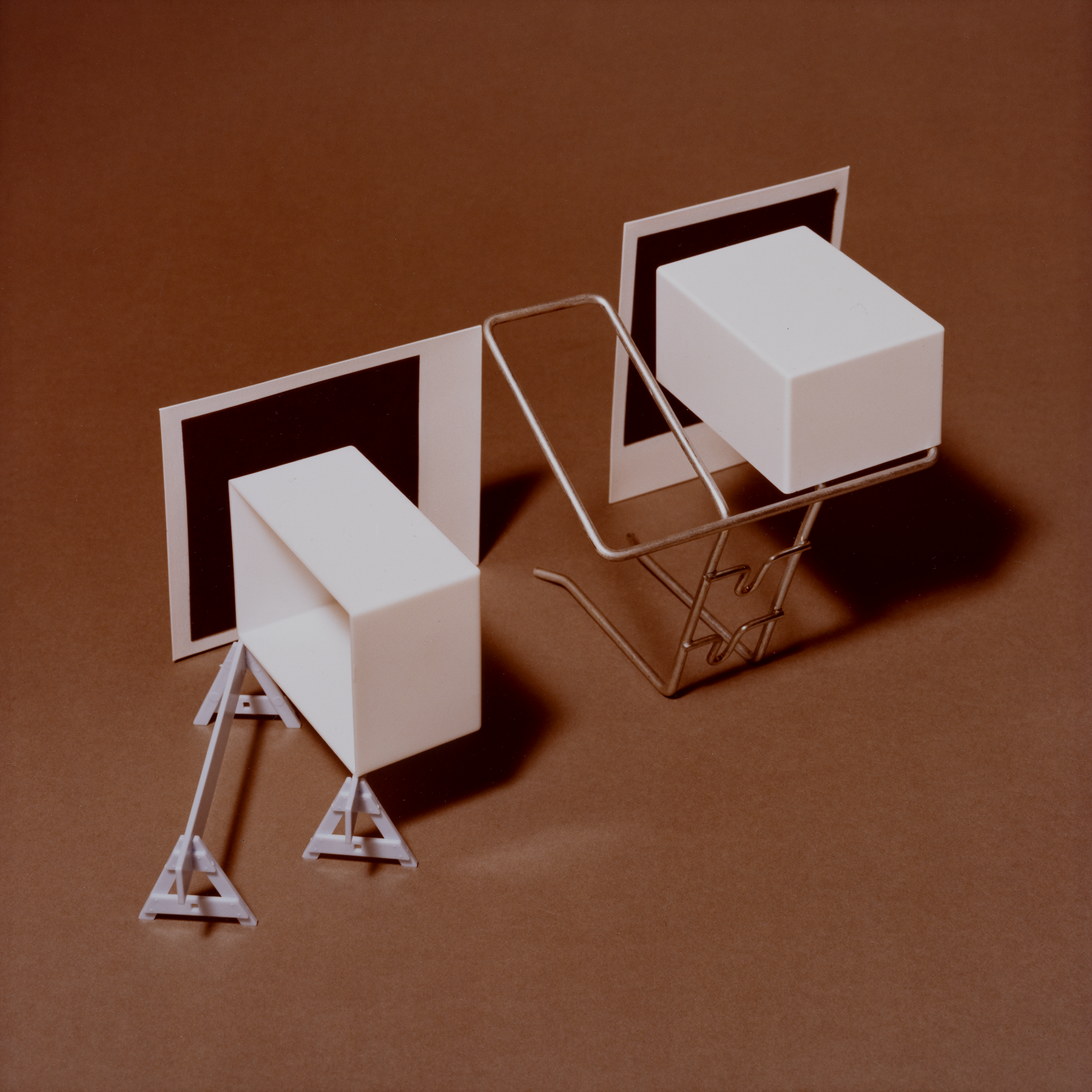
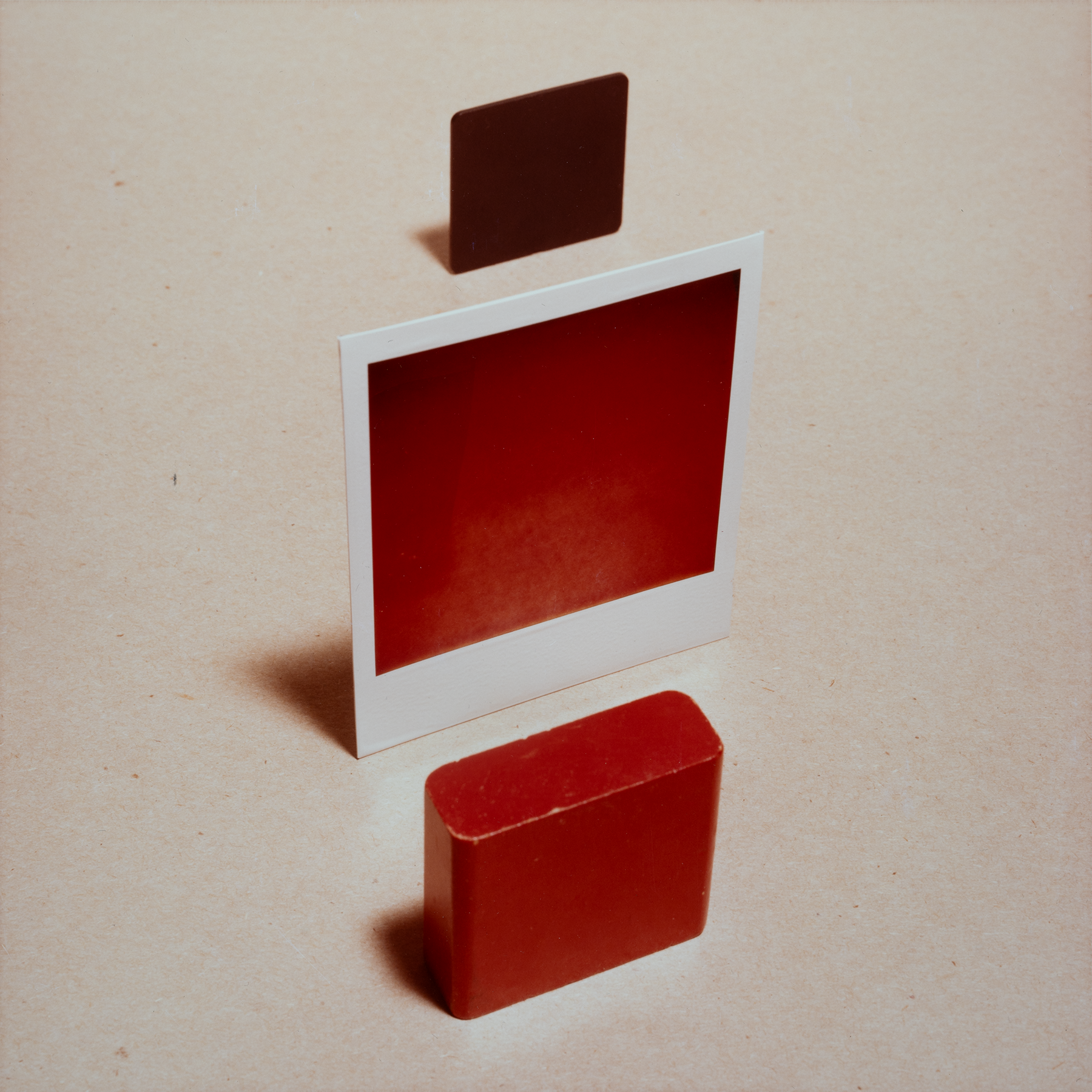
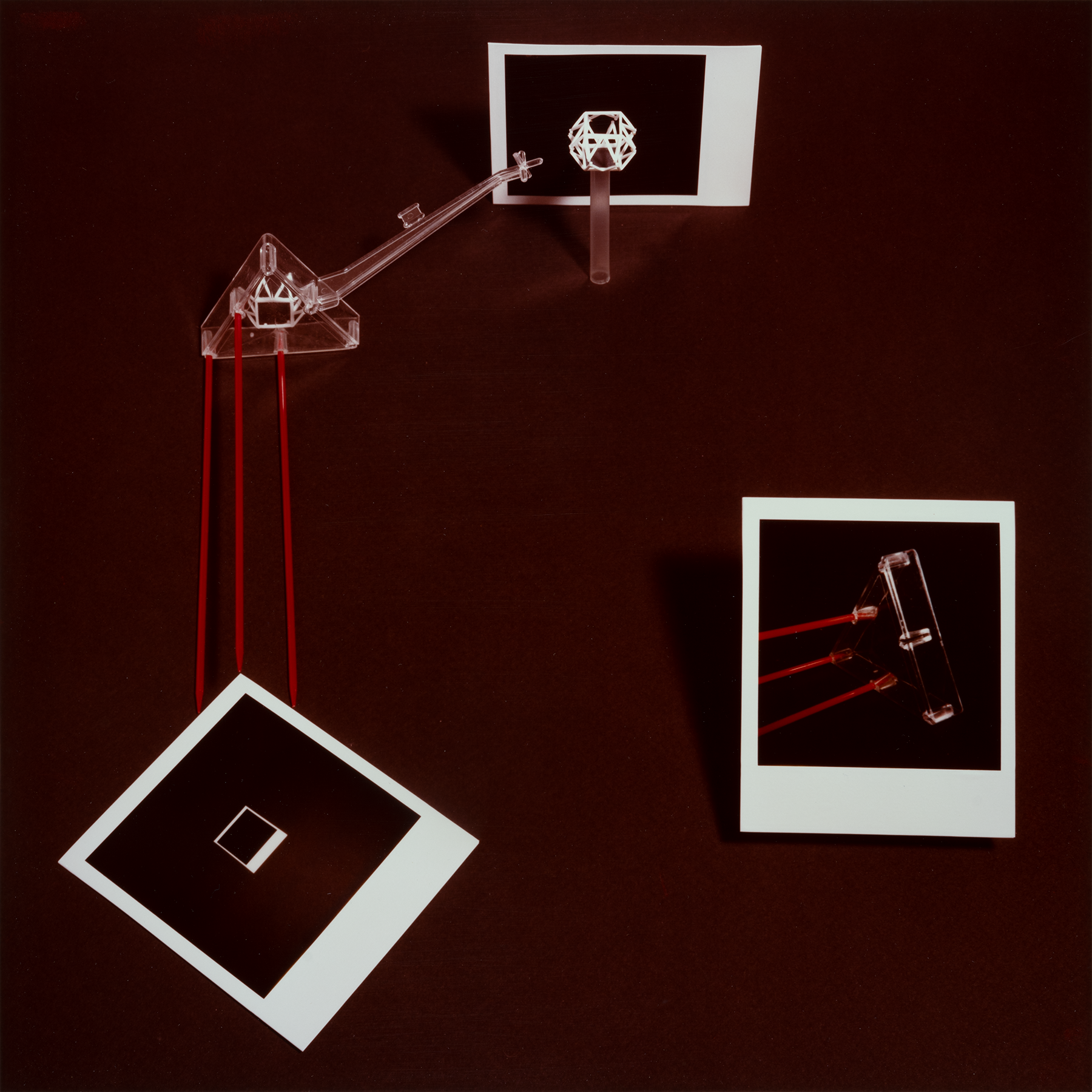
SX70
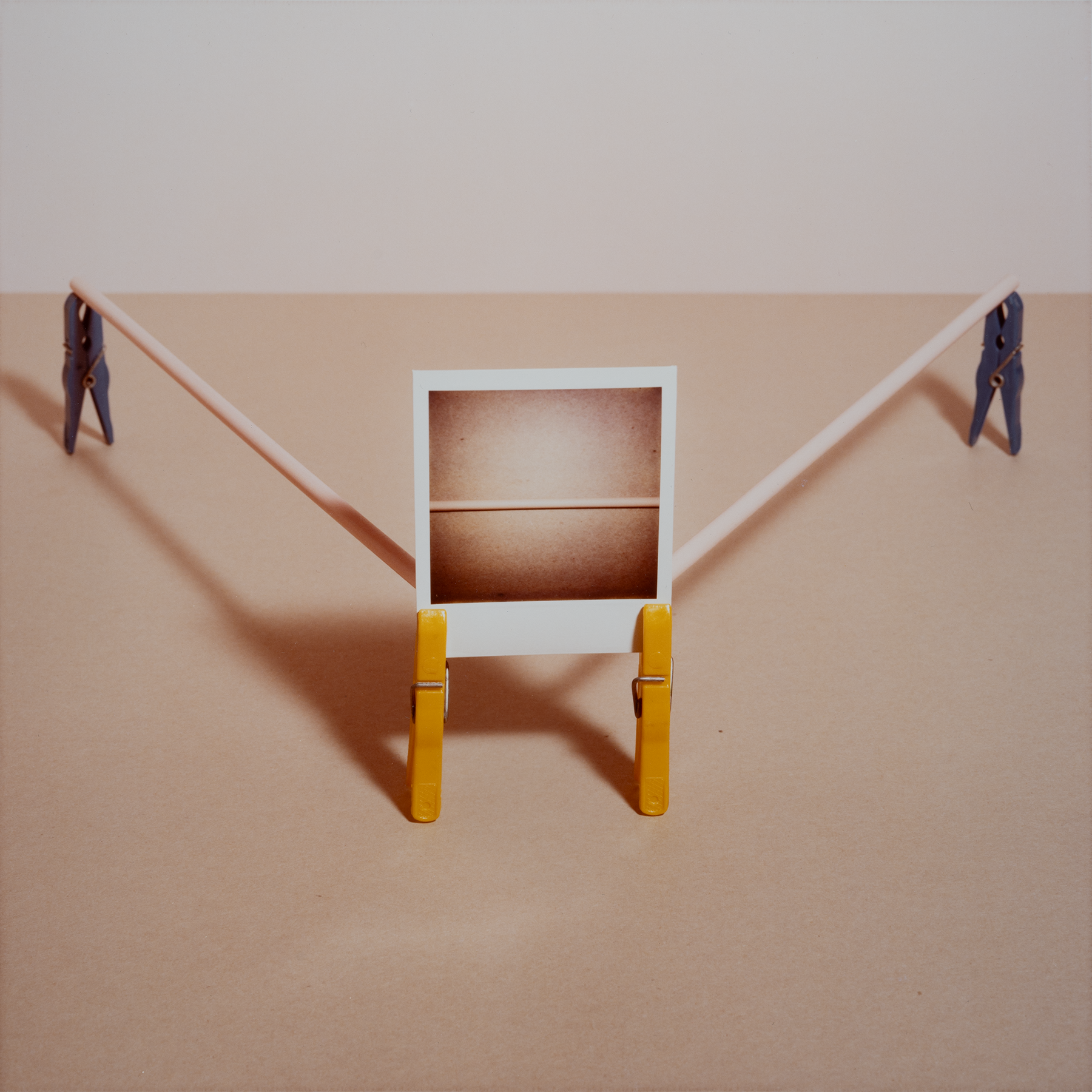
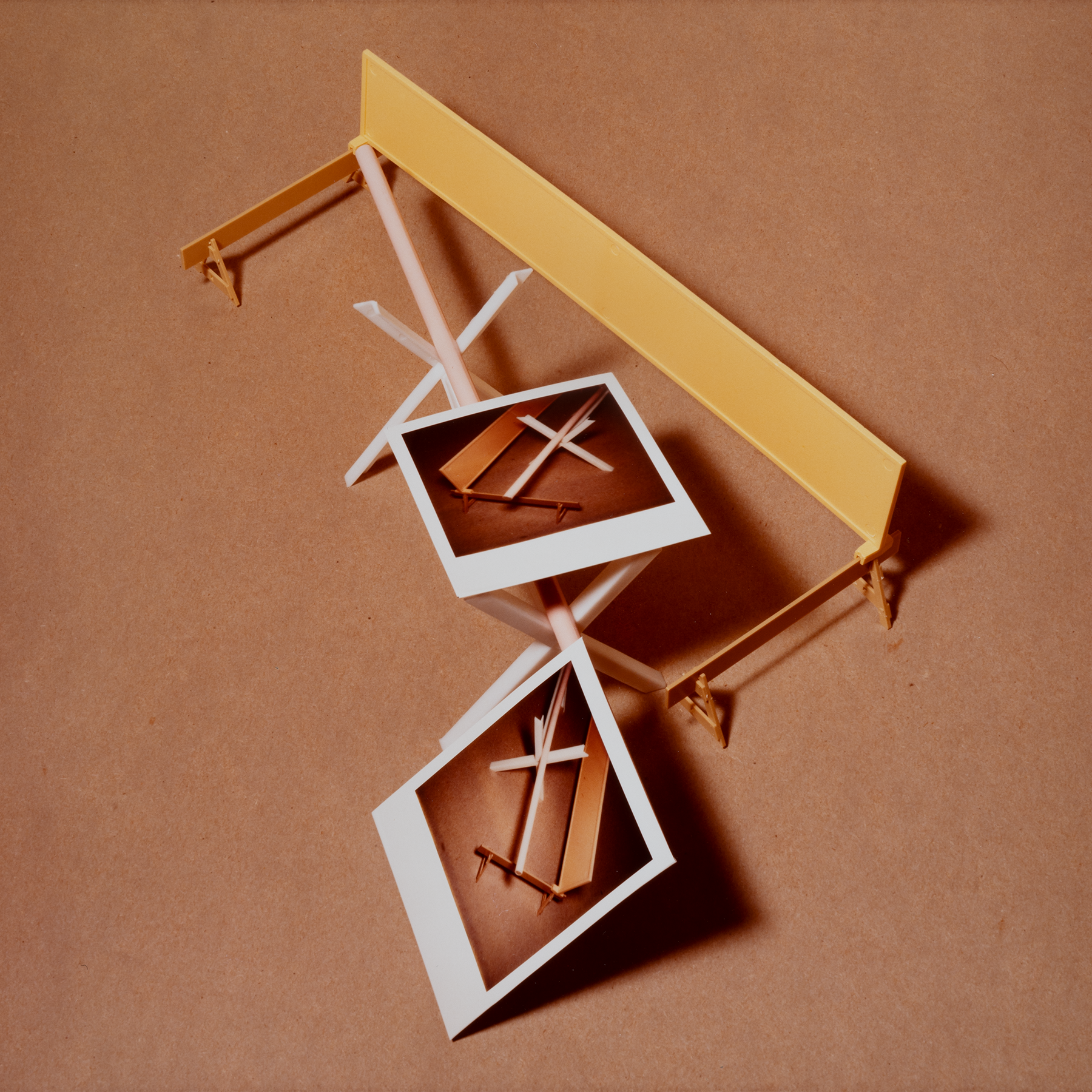
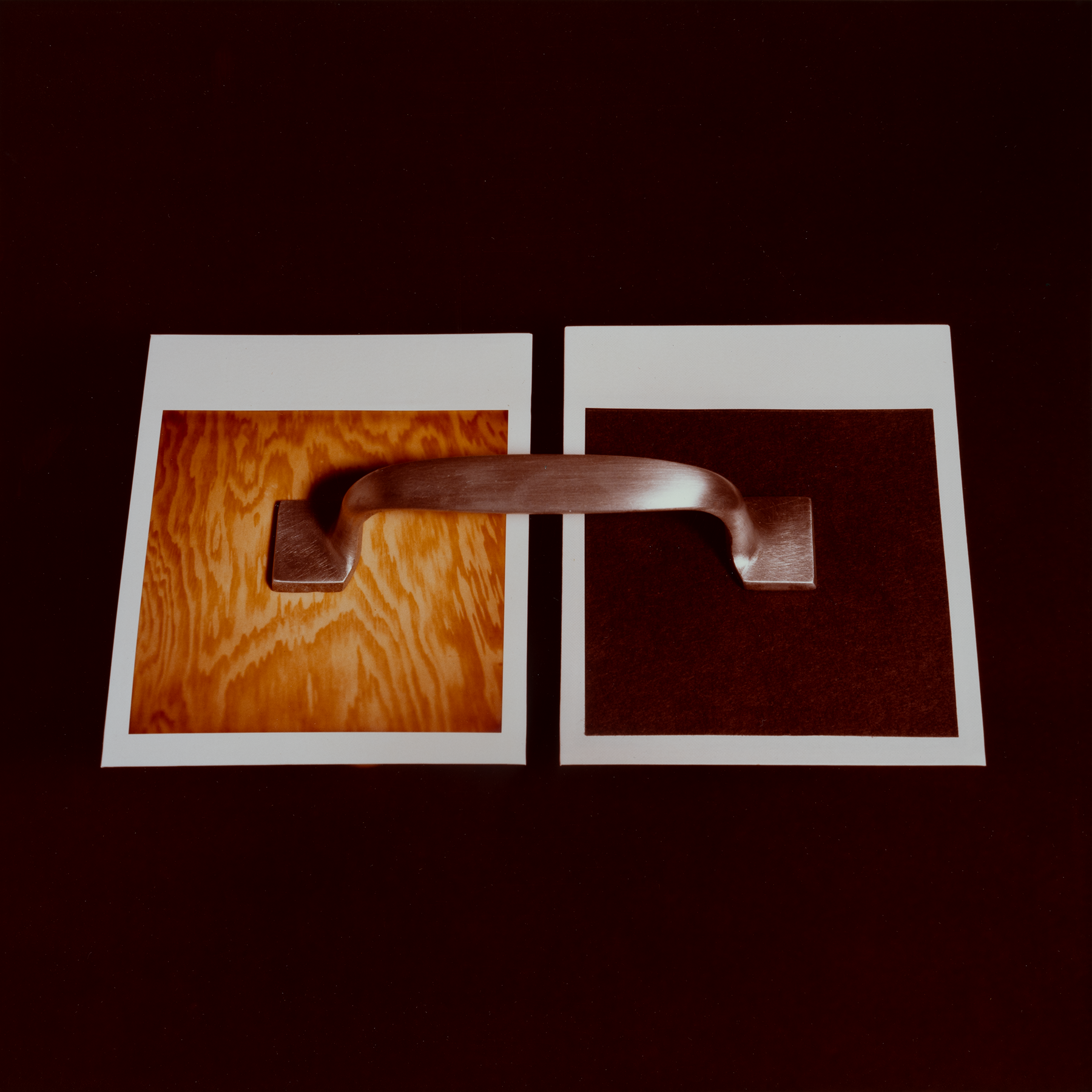
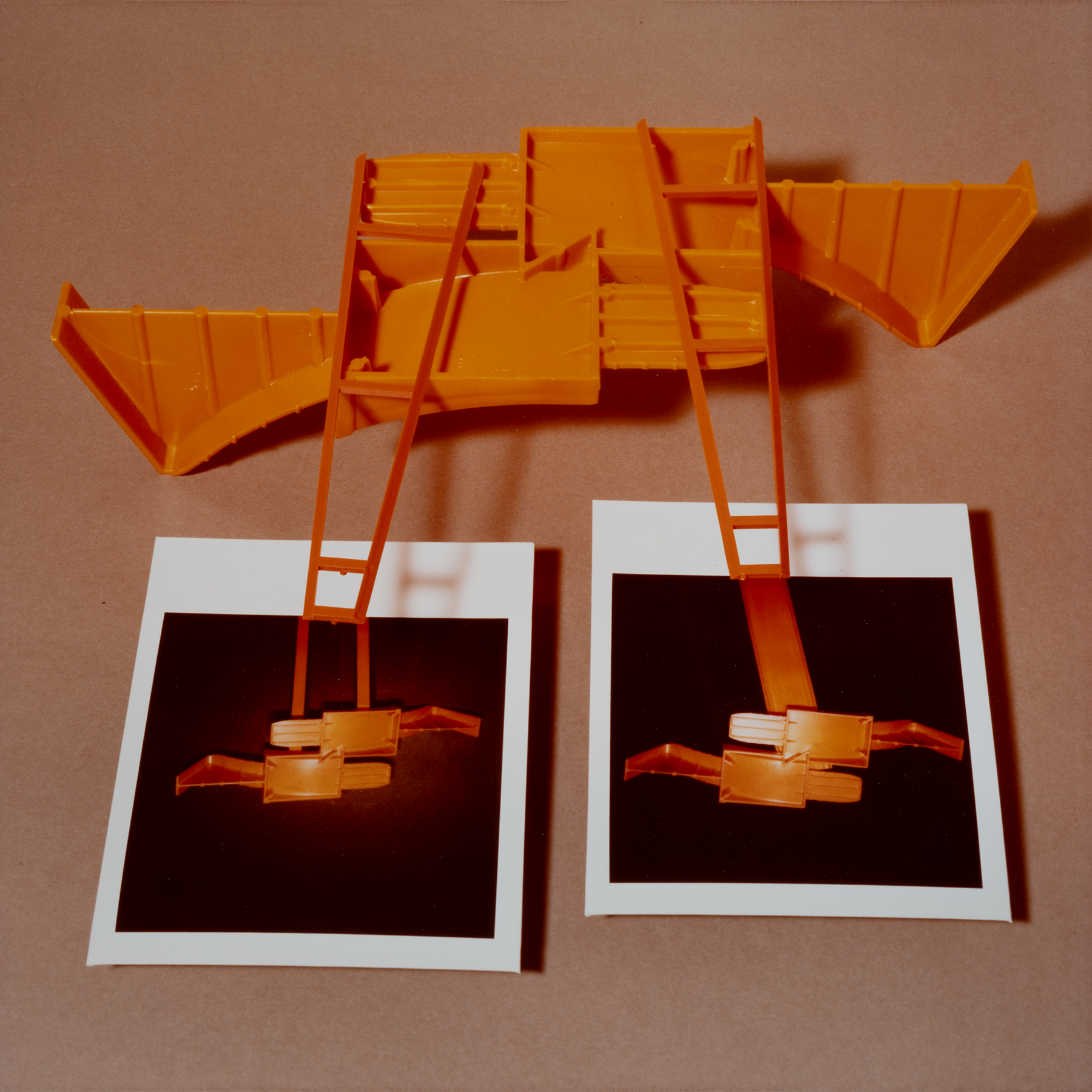
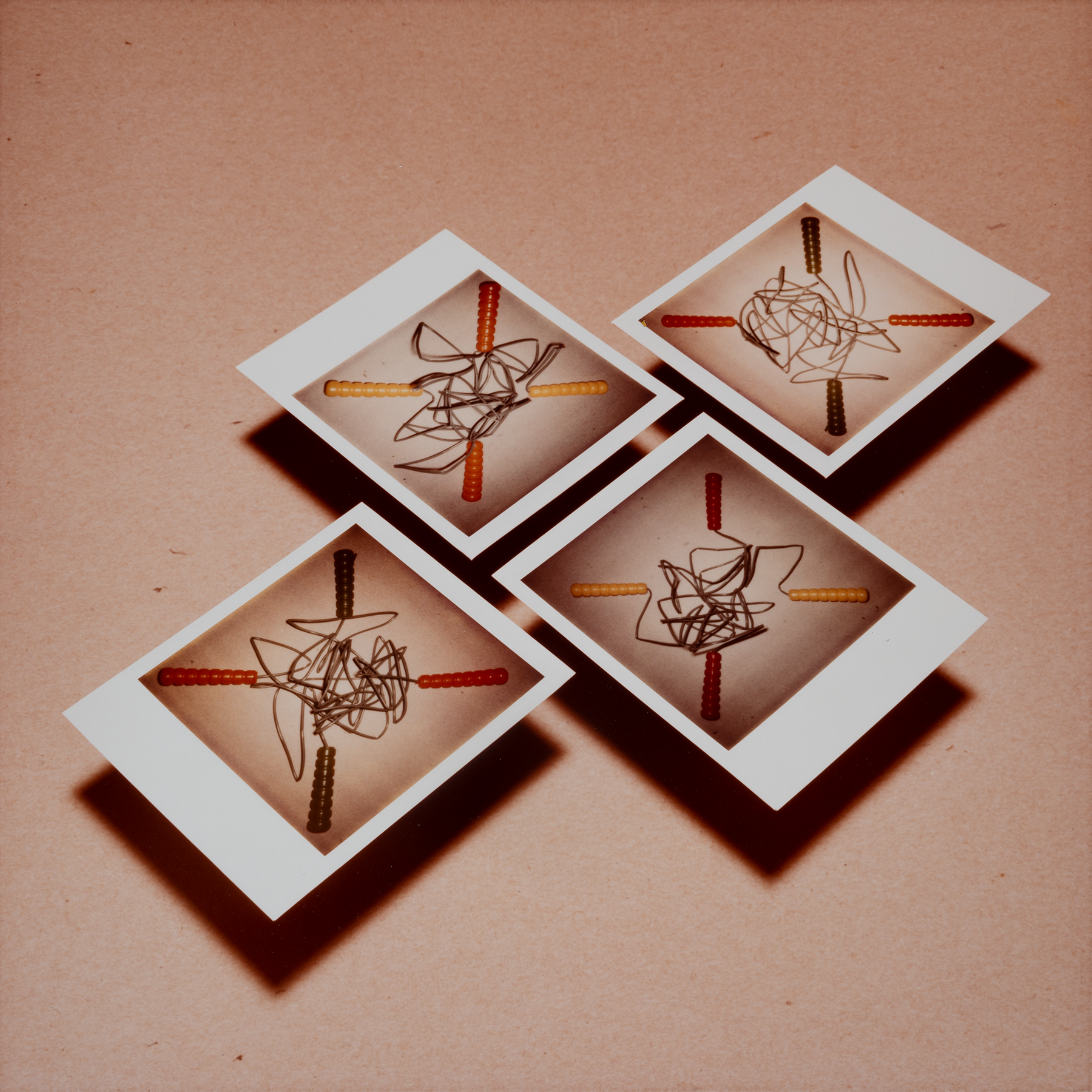
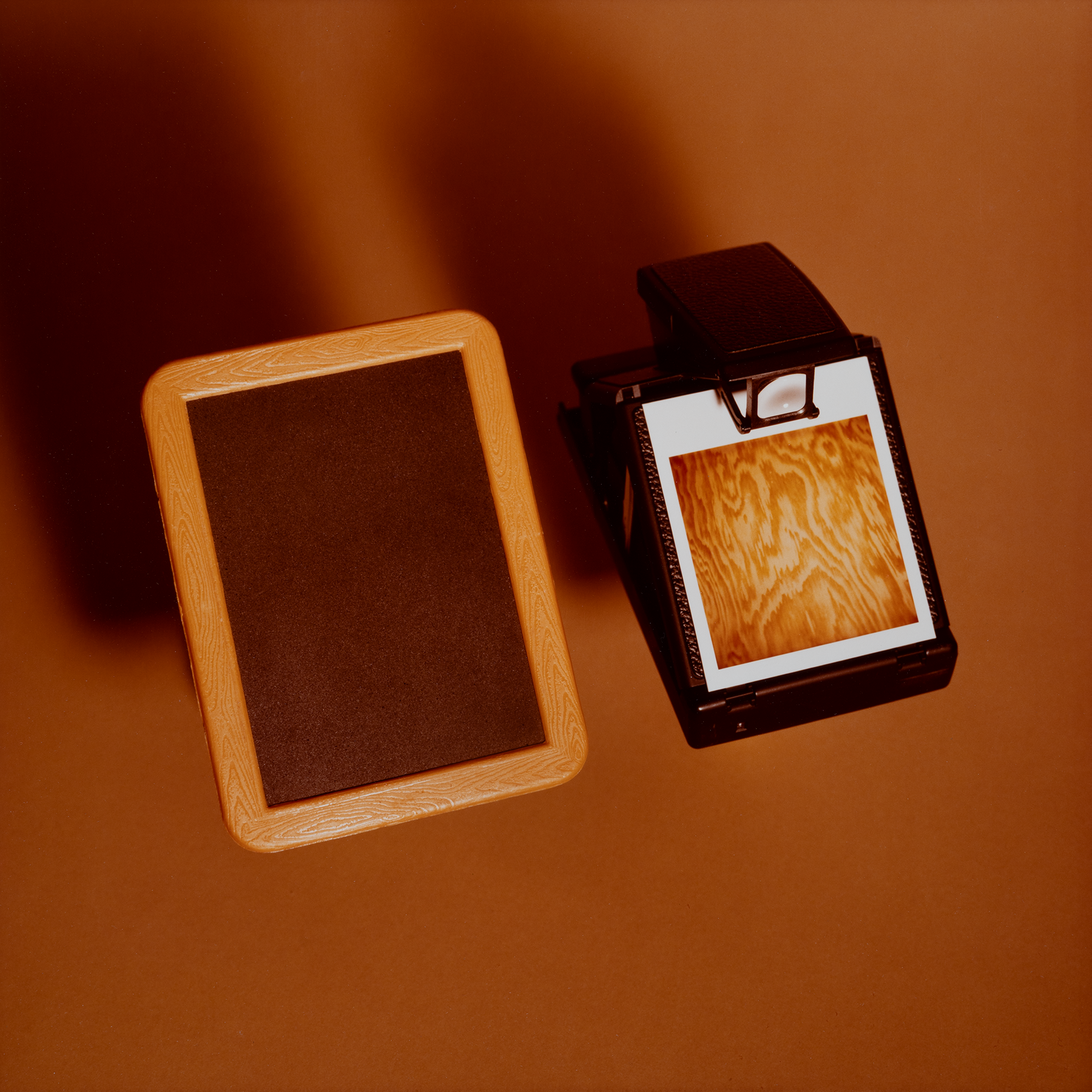
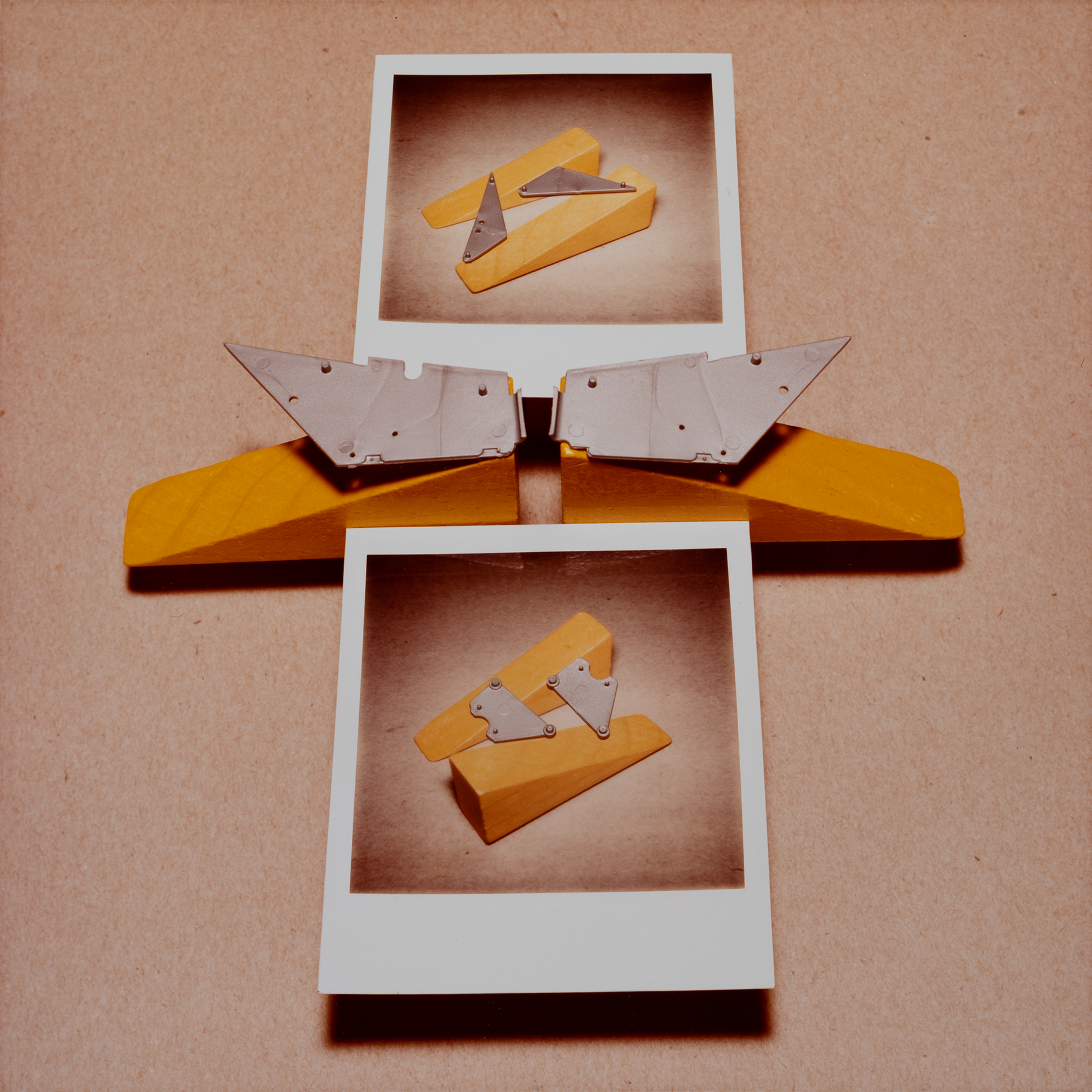
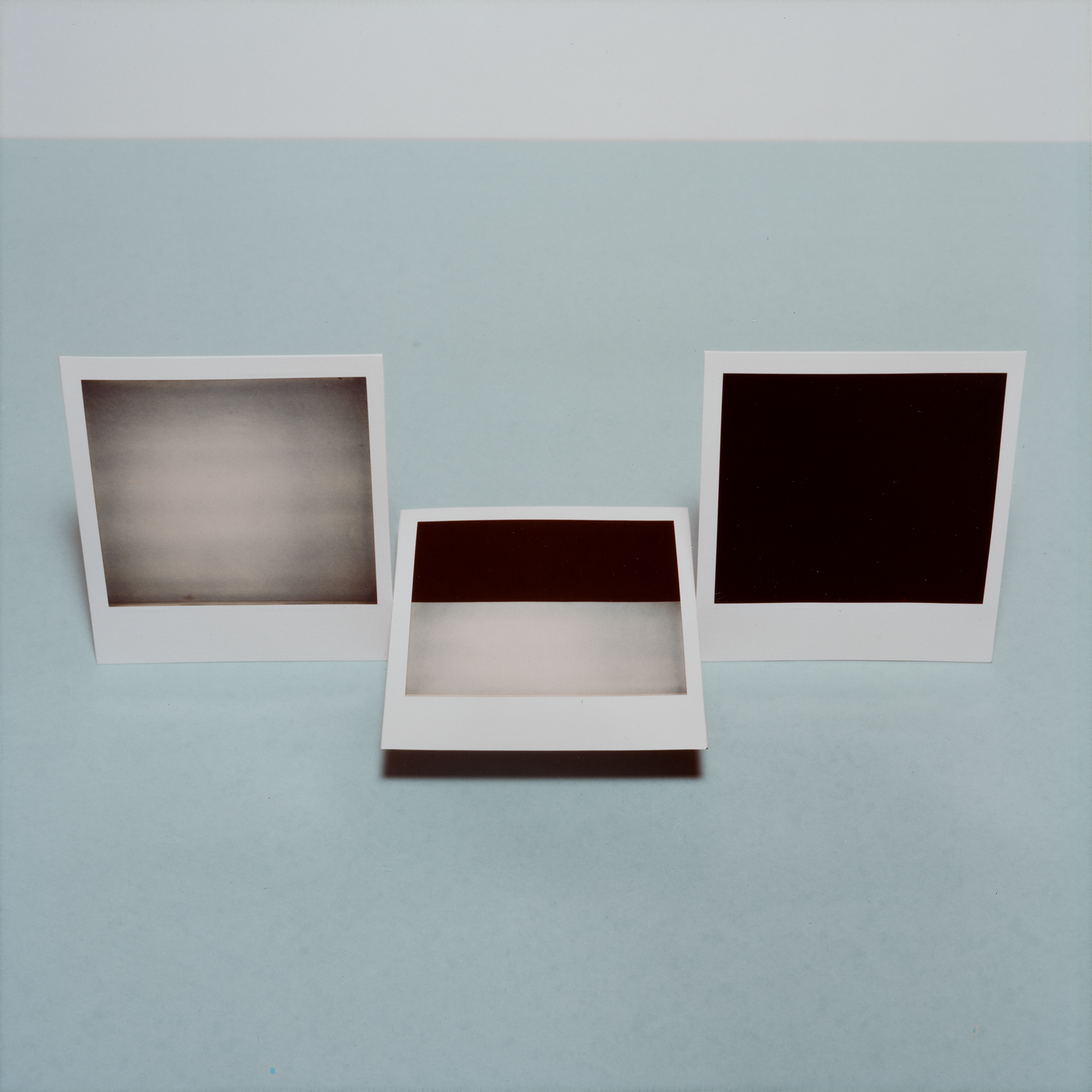
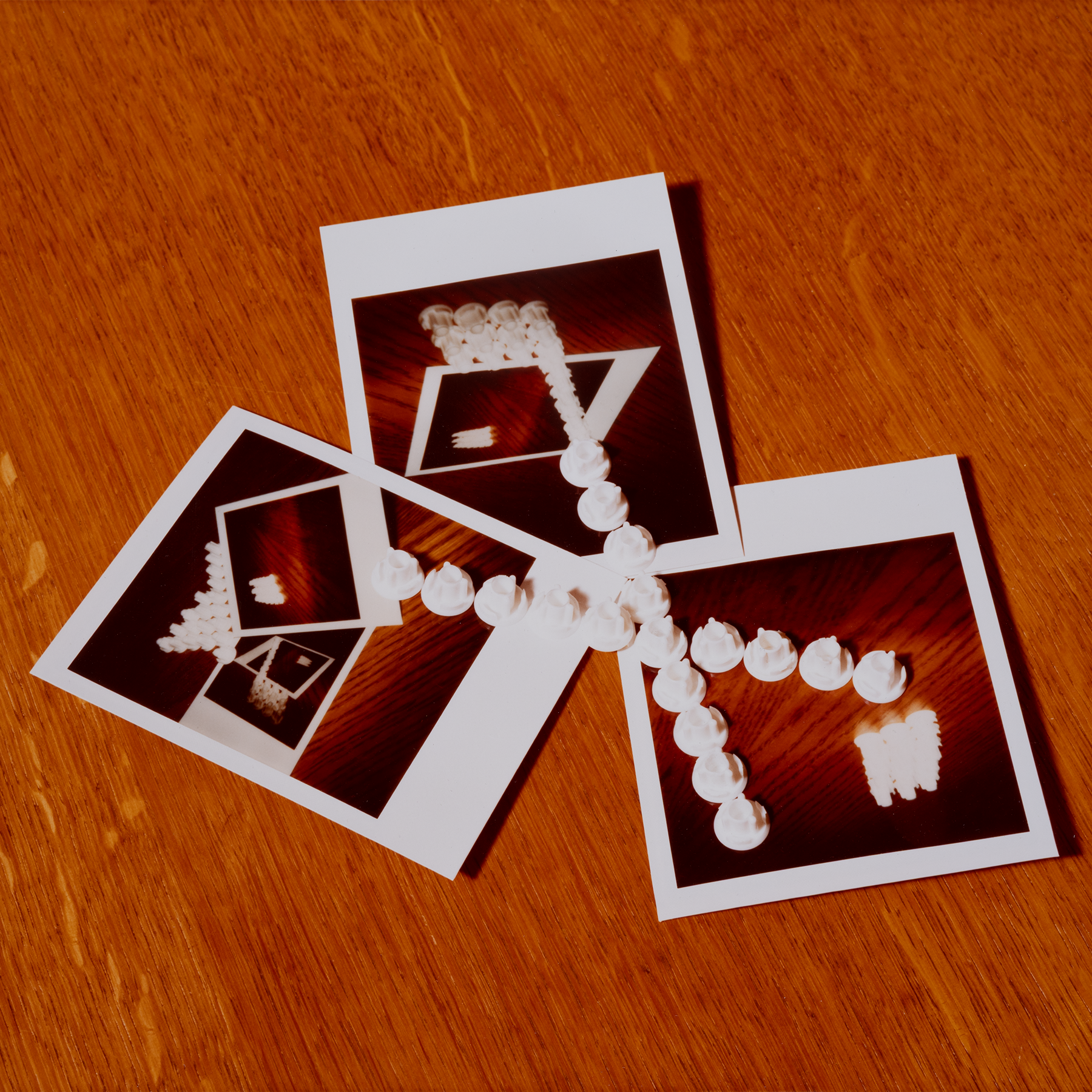
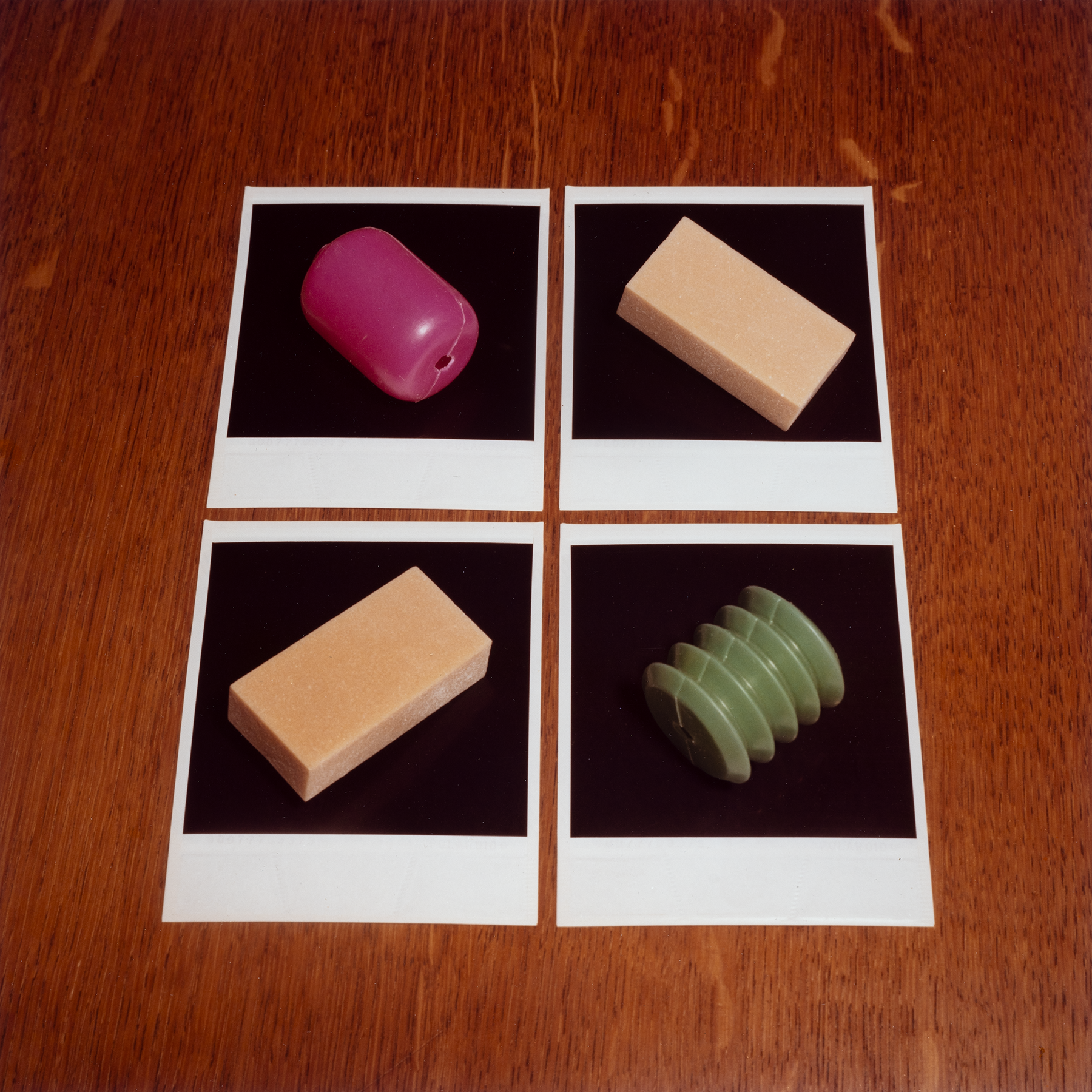
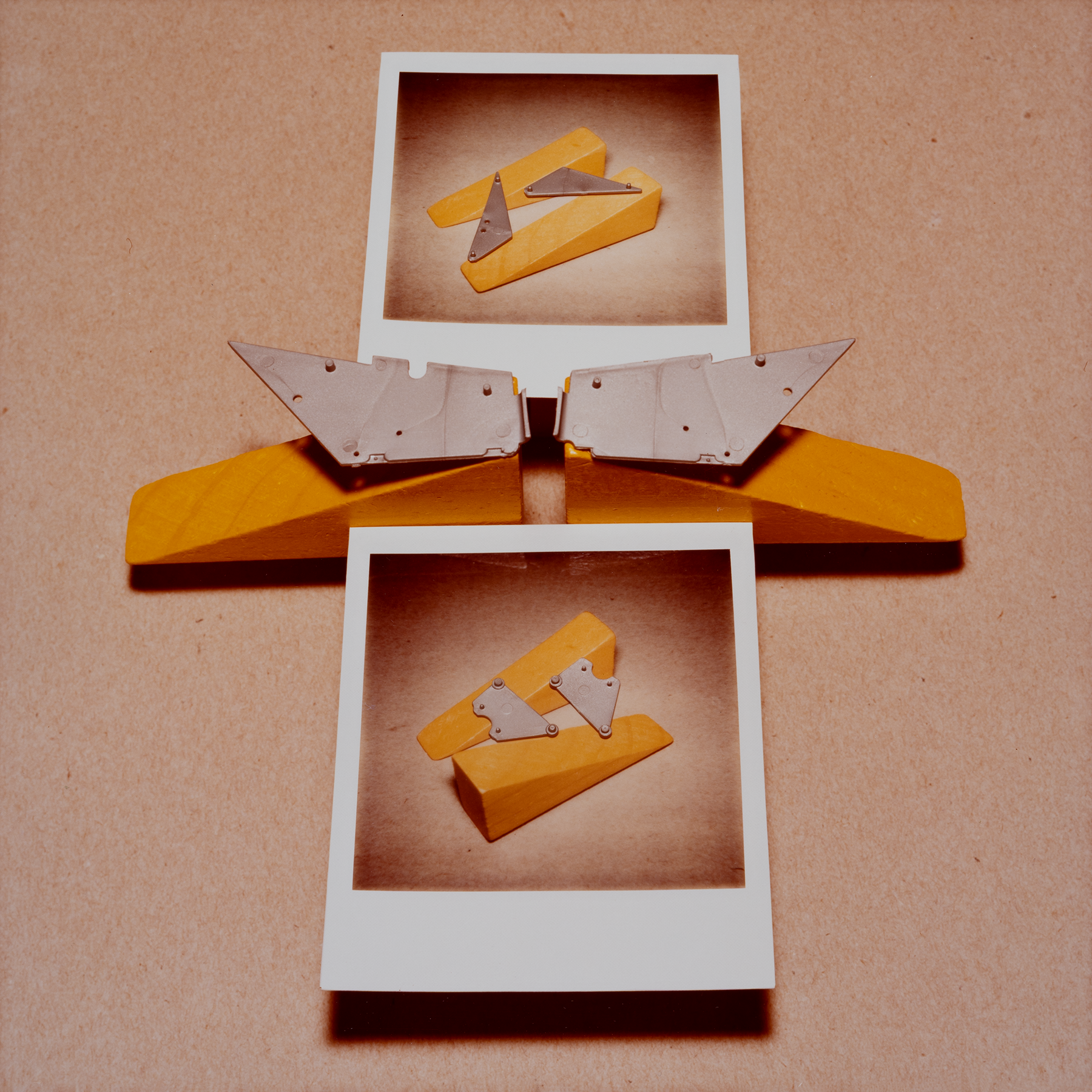
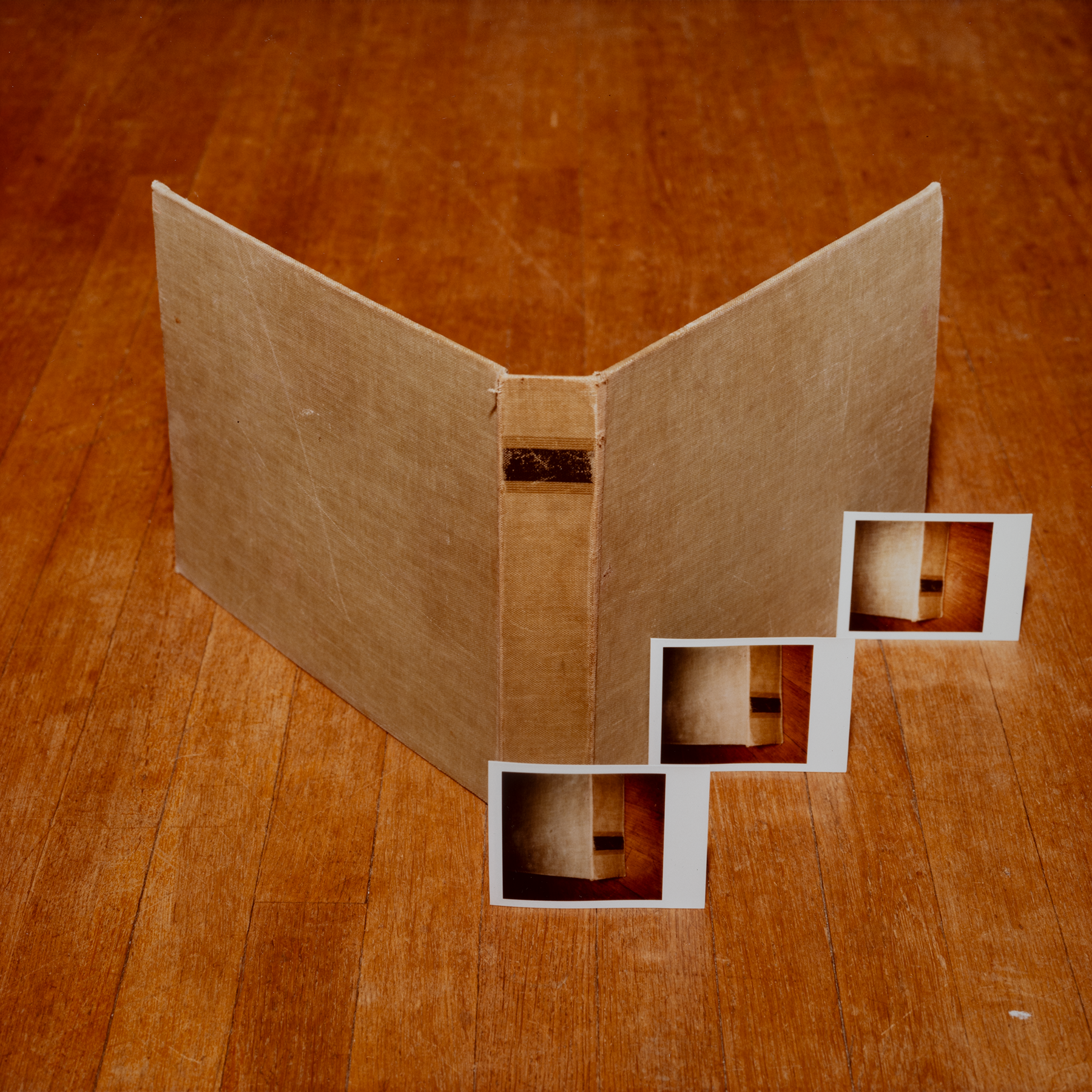
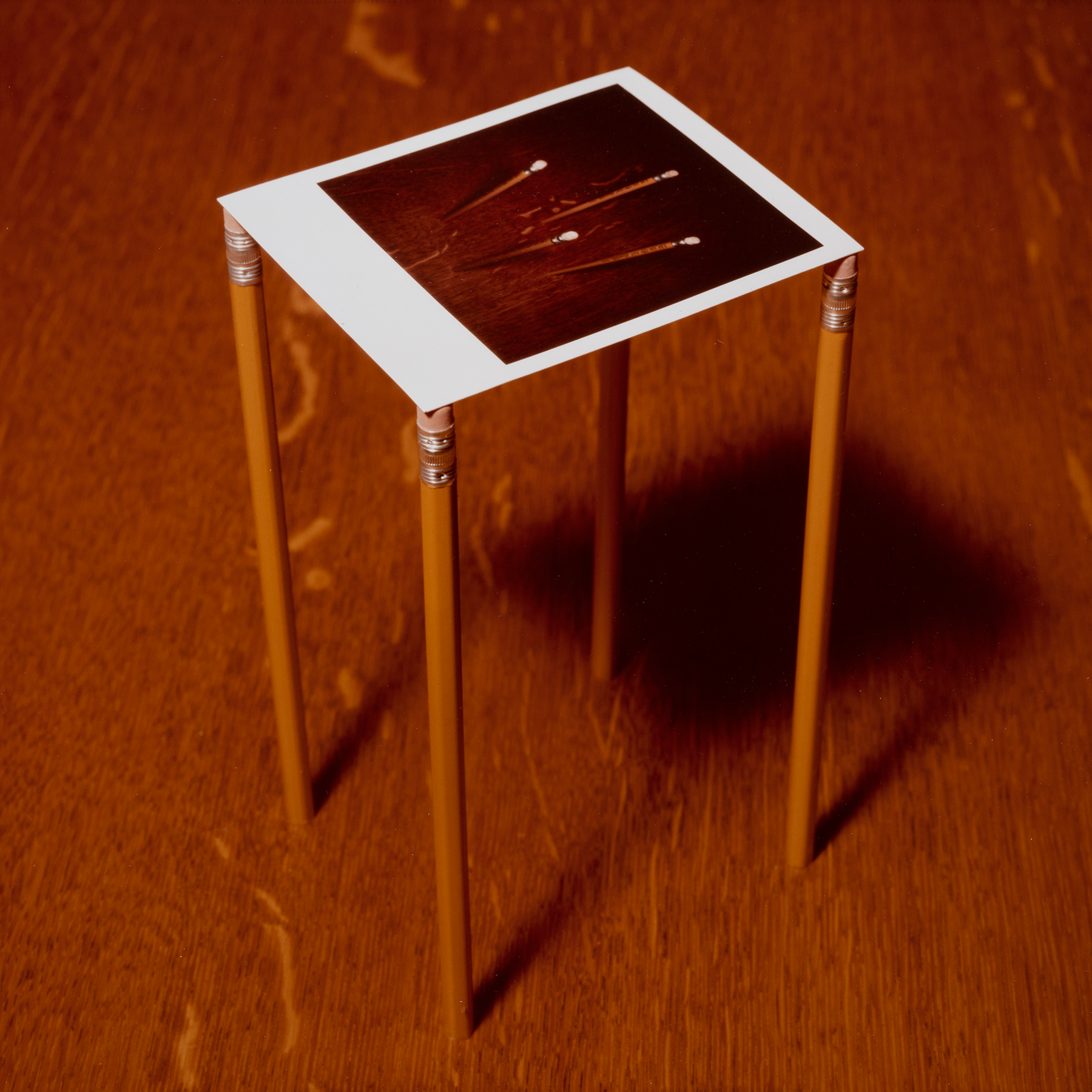
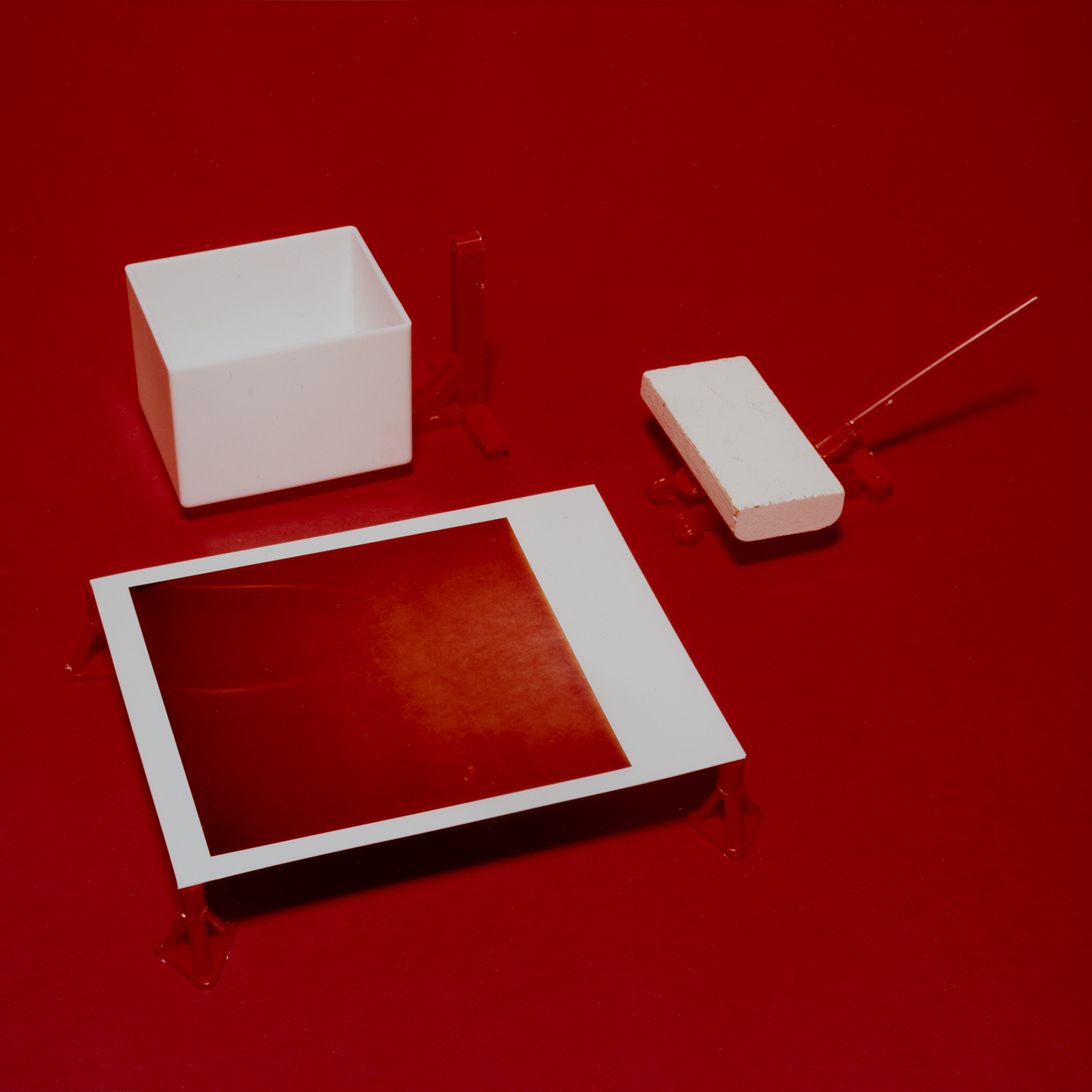
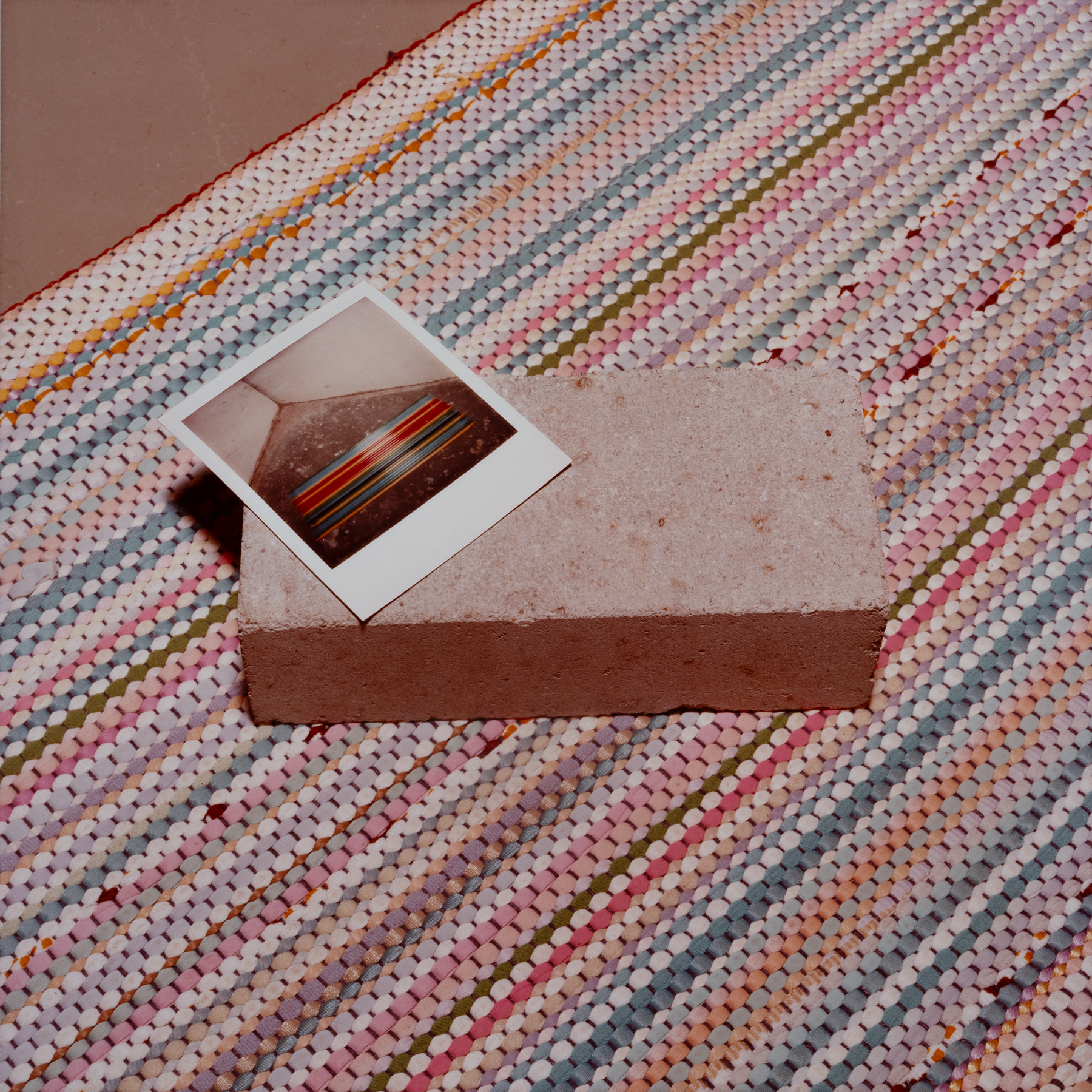
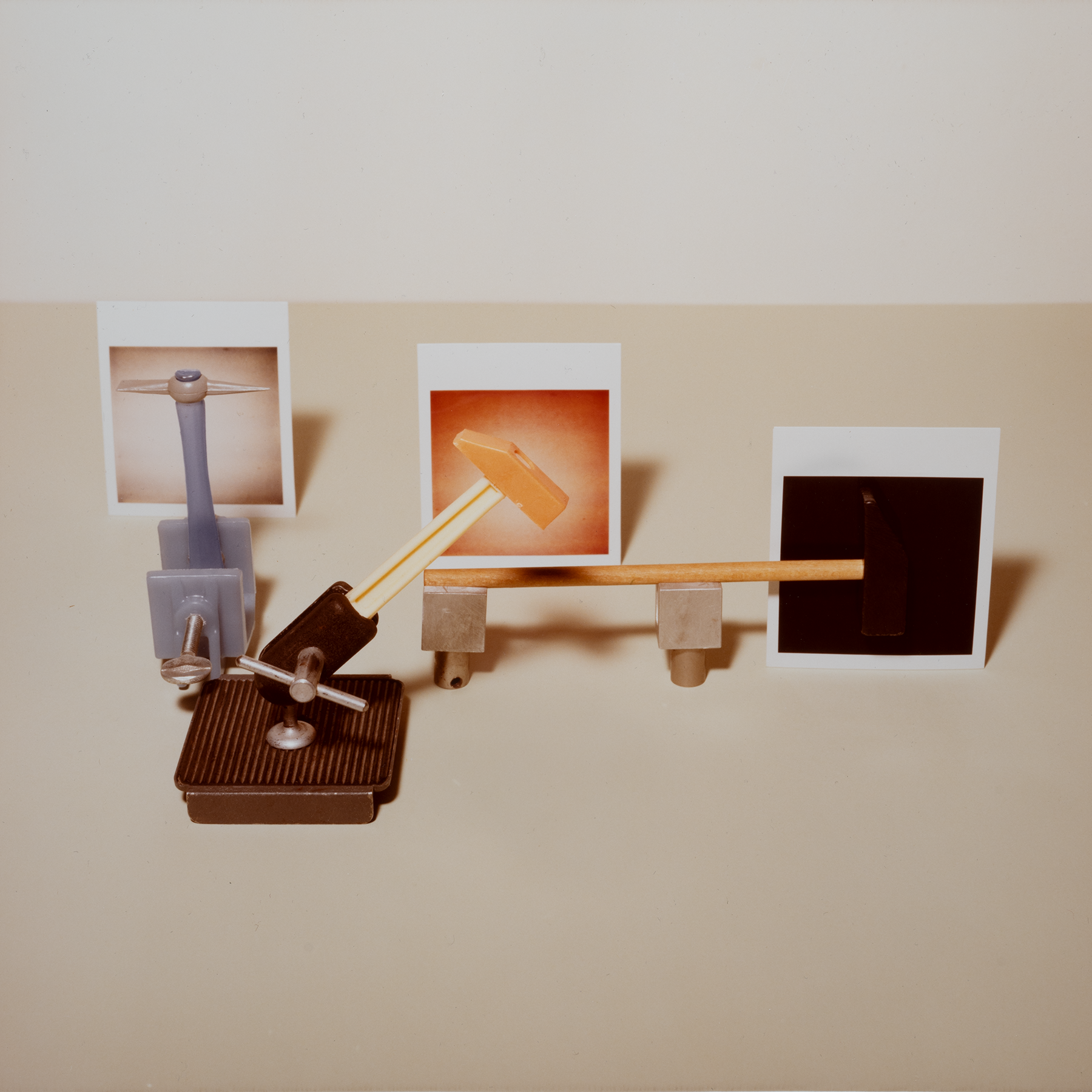
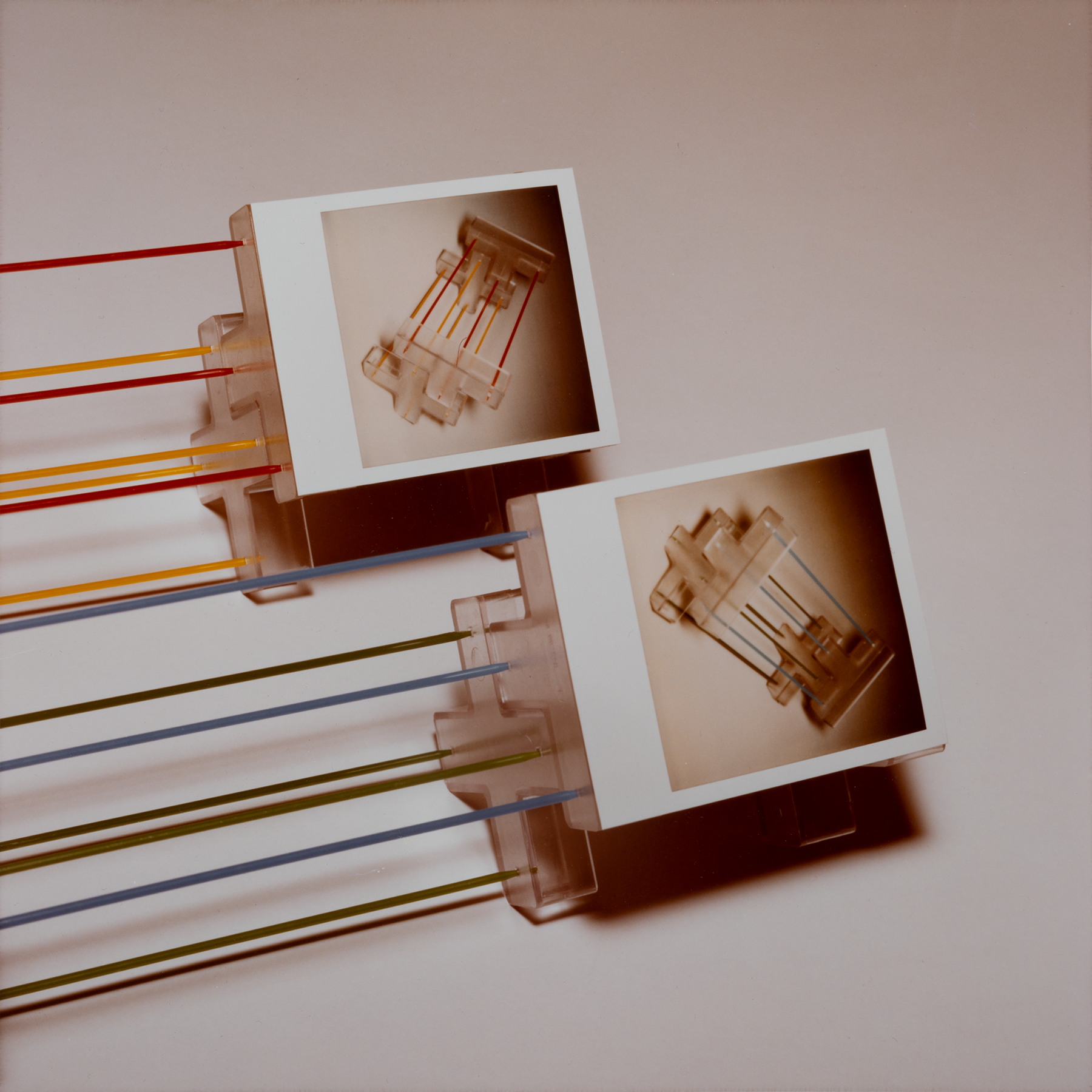
“I think that the Polaroid camera in general, and the SX-70 in particular, is the most important addition to the field of snapshot photography since the Kodak itself. The Polaroid photograph enters its environment immediately, inviting comparison of the image with its original subject, not with, as is the case with most other photographs, a memory of the original . . . The gap between image and ‘reality’ is the source of many narratives in our culture, both major and minor.
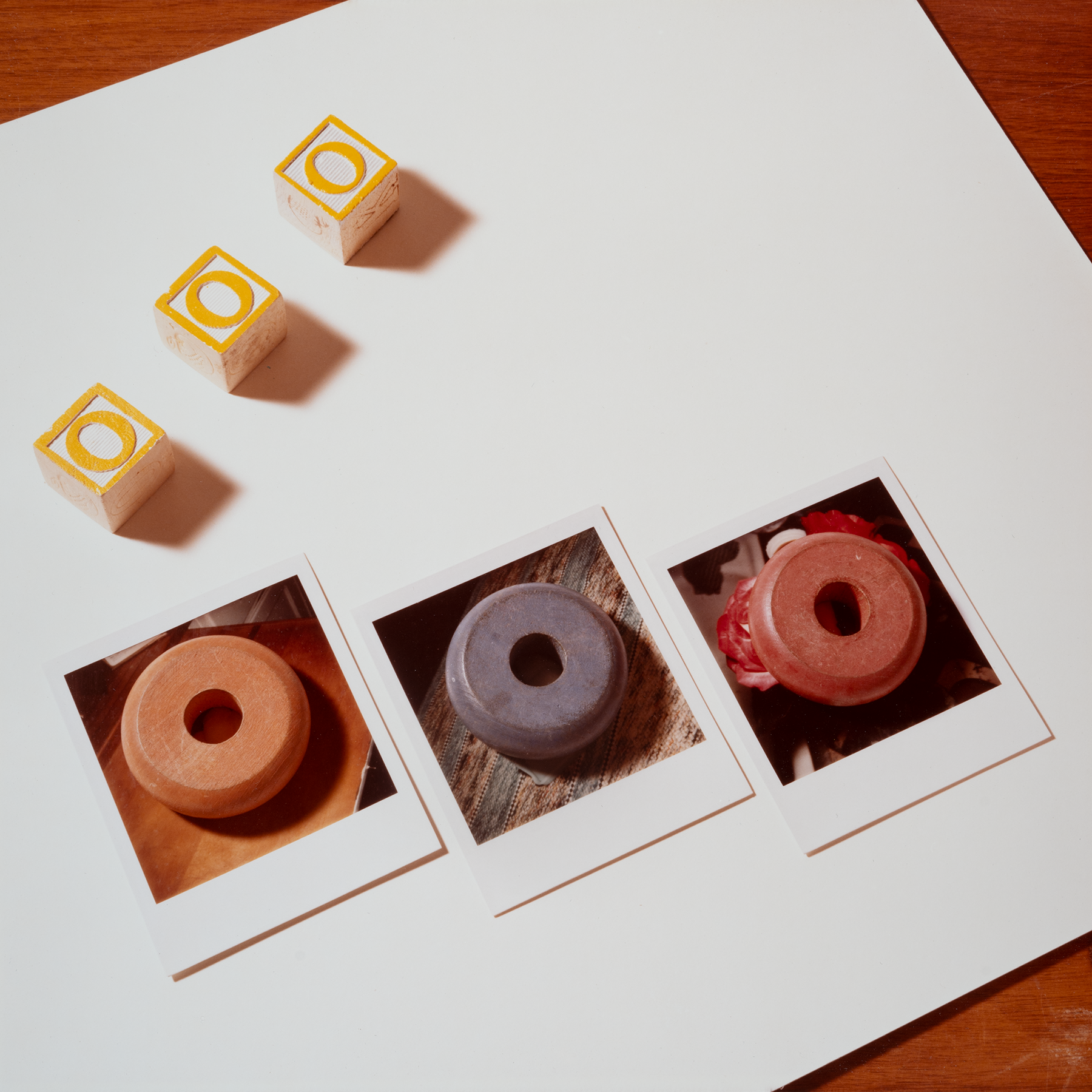
I began an SX-70 series in 1977, in large part as a response to the birth of my first son. I became interested in the idea of how we use images, especially photographs, as a means to teach children basic concepts . . . the teaching of how to be photographed . . . how to create and present a representation of one’s self, one’s self-image. These images are gradually incorporated into the ongoing evolution of that self-image.
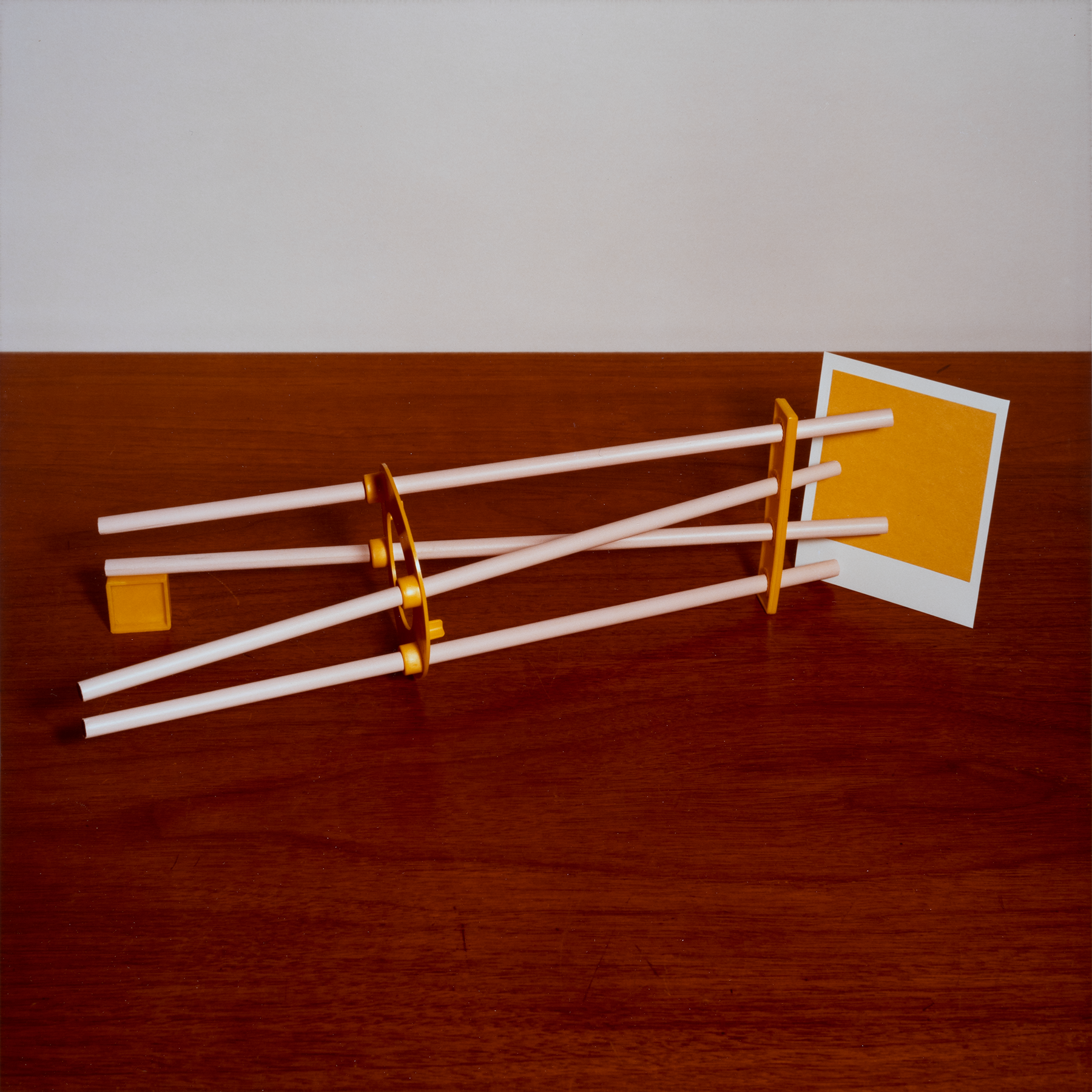
Many of the SX-70s integrate photography + play. Play [became] a model for art making. Some images in the SX-70 series combine the long history of children’s play and basic skills like number, letters, colors, etc. with a new technology. While the photographs may be highly representational, the ideas themselves often involve a high degree of abstraction or abstract thinking. These abstract concepts are, in turn, the foundation of what we think of as reality, the basic foundation of our individual identities and our culture.”
– Carl Toth, hand-written notes, undated